Responsible Textual Generative Models (Part I): Generating Truthful Content

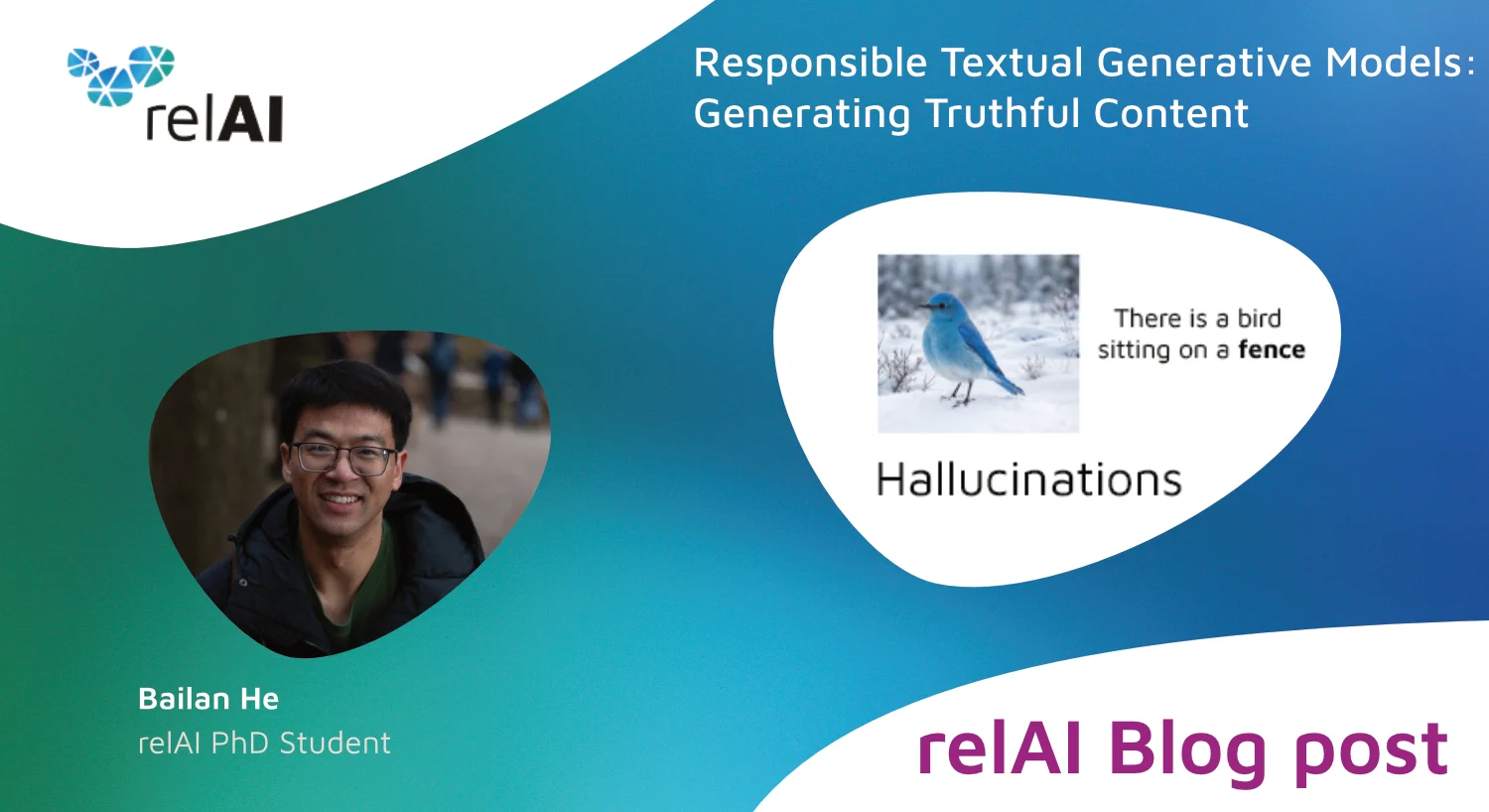
📋Textual generative models, such as the GPT family, have created new opportunities for human–AI interaction. They possess impressive abilities to summarize lengthy documents, compose poetry, and answer complex questions. However, alongside these remarkable capabilities lies a significant challenge: 🪄 hallucinations.

🔹What are hallucinations

Hallucinations are instances in which a model generates content that is factually incorrect, lacks supporting evidence, or is entirely fabricated.

🔹Why is preventing hallucination important

The implications of hallucination can be severe in various real-world domains. In healthcare, hallucinated outputs might suggest non-existent treatments, potentially placing patients at risk. In legal contexts, fabricated precedents could mislead practitioners and affect judicial outcomes. Similarly, in journalism, factual errors in AI-generated articles could lead to misinformation and erode public trust in media institutions. These examples underscore that hallucination is not just a technical flaw; it is a serious societal concern.

In his first post, relAI PhD student Bailan He explains various scenarios that may lead to hallucinations in generative models. He discusses the approaches developed to detect and mitigate these issues.

This post provides a basic summary of strategies designed to ensure that generative models fulfill their essential responsibility: ✨ producing truthful content ✨.

👉 Do not miss it!  https://zuseschoolrelai.de/blog/responsible-textual-generative-models-part-i-generating-truthful-content/

📢 New relAI blog post!

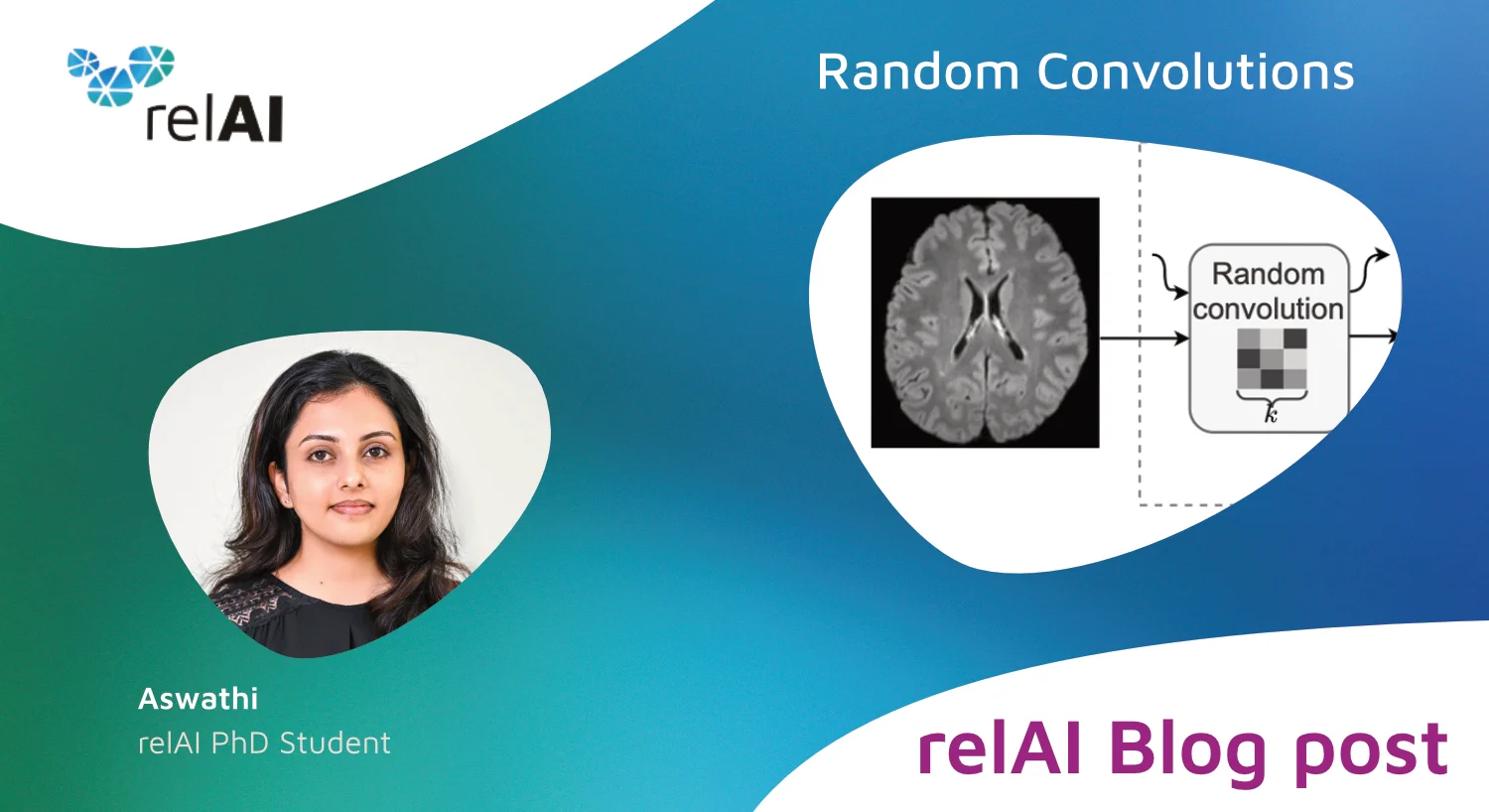
AI models have recently revolutionized medical imaging by enabling automated analysis of complex radiological data. This includes tasks such as lesion detection, organ segmentation, and disease progression prediction. However, those models often overfit, learning patterns specific to the training dataset rather than acquiring generalizable visual concepts. In this blog post, relAI PhD student Aswathi introduces Random Convolutions, a method designed to enhance the generalization capabilities of AI models applied to medical images.

👉 https://zuseschoolrelai.de/blog/random-convolutions-a-simple-way-to-boost-generalization/

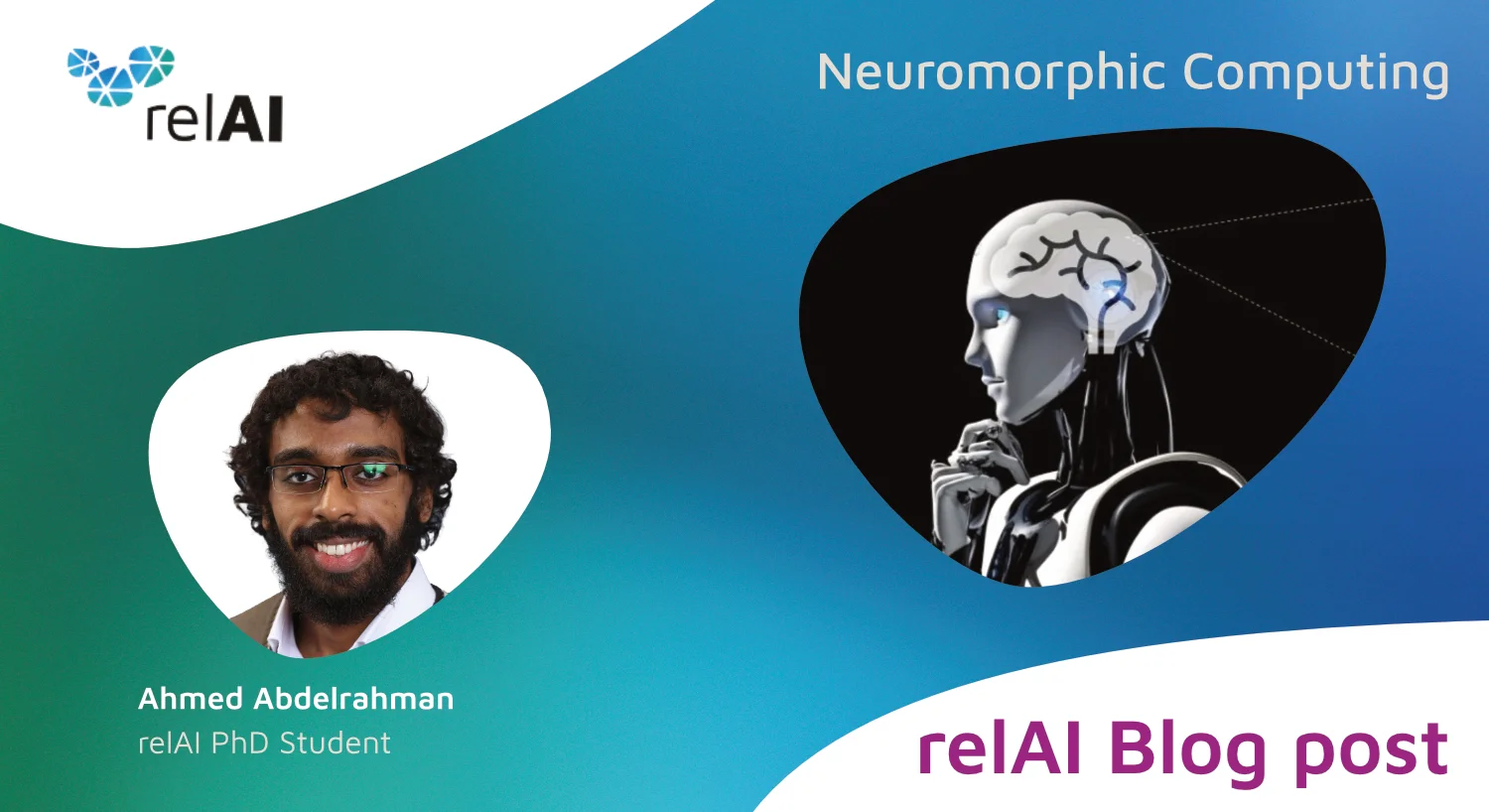
The power consumption of the brain is approximately 20 watts, comparable to that of some light bulbs 💡. Currently, digital computers operate at power inputs that are several orders of magnitude higher, particularly when AI algorithms attempt to emulate a subset of brain capabilities.

🪄Should we consider mimicking the brain to investigate the potential in biomimetic computation and algorithms, especially in the design of intelligent and efficient robotic agents?  

In this blog post, relAI PhD student Ahmed Abdelrahman, introduces neuromorphic computing. This emerging research field aims to replicate the brain's fundamental neural structures and characteristics in silico, paving the way for the next generation of AI.

It is definitely a must-read post: https://zuseschoolrelai.de/blog/neuromorphic-computing/.

We are excited to announce the release of the relAI Blog. The blog is the relAI students' platform for sharing cutting-edge research and developments from our school, highlighting the significant strides relAI is making toward making AI systems safer, more trustworthy, and privacy-preserving. 

The blog posts, authored by the students, will cover a diverse range of topics. From introductory discussions on relAI research to the latest project outputs, and even reports on interesting aspects of relAI life. The Blog Editorial Team, composed of relAI students, plays a crucial role in the editorial revision and publication. 

The blog starts out with two posts, a welcome from the Editorial Team and an interesting introduction to uncertainty quantification from relAI PhD student and member of the Editorial Team, Lisa Wimmer.