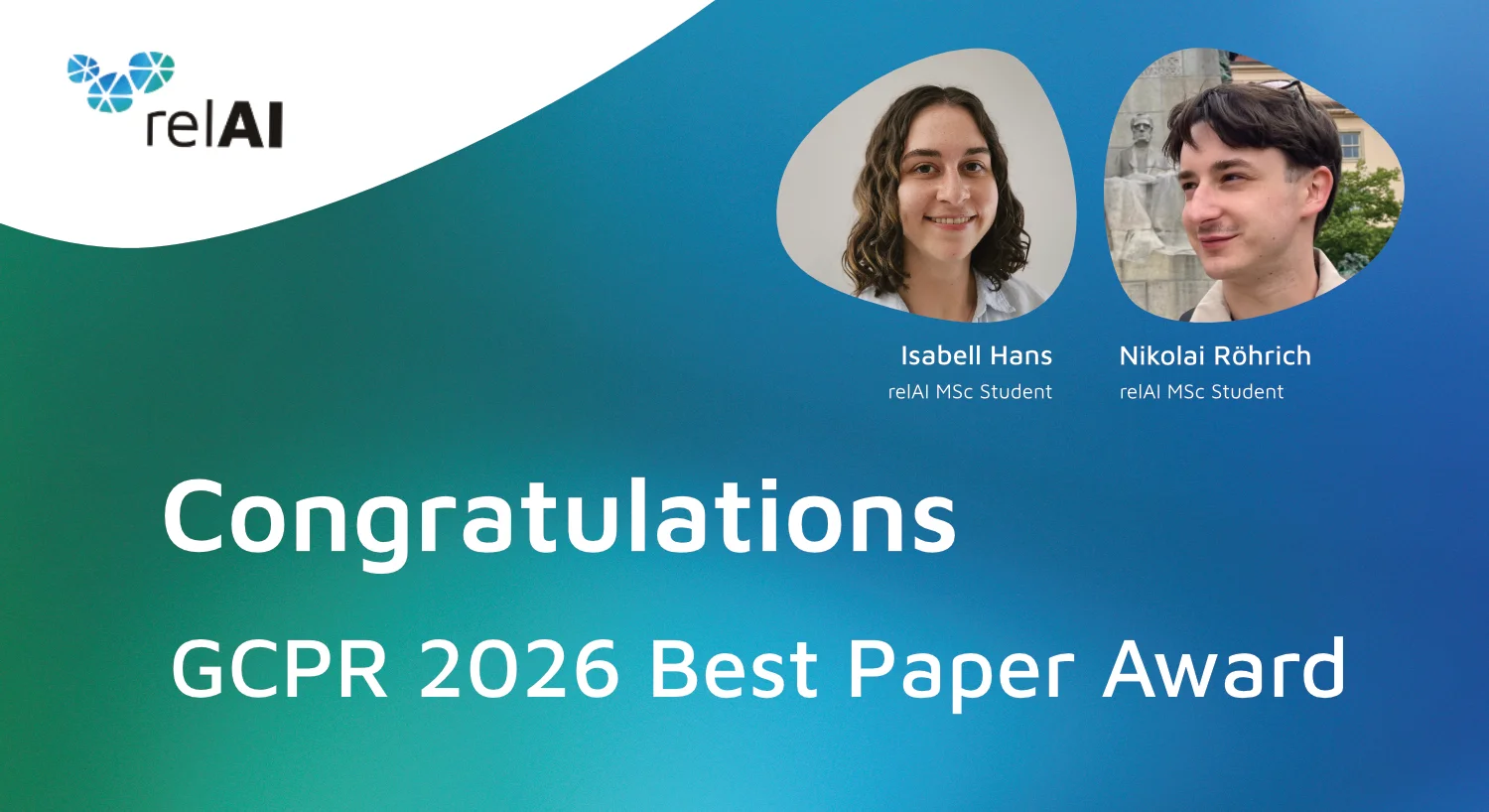
We are proud to announce that relAI MSc students Nikolai Röhrich and Isabell Hans have received the 🏆 Best Paper Award 🏆 at the German Conference on Pattern Recognition (GCPR) for their paper titled “Concept Guidance: Precise, Training-Free Latent Control for Text-to-Image Generation.”
The article introduces Concept Guidance (CoG), a method that improves control over specific visual concepts in text-to-image diffusion models without requiring retraining, external models, or prompt engineering. 🧐If you are interested in learning more about CoG, you can read the full publication here: https://arxiv.org/abs/2608.14172
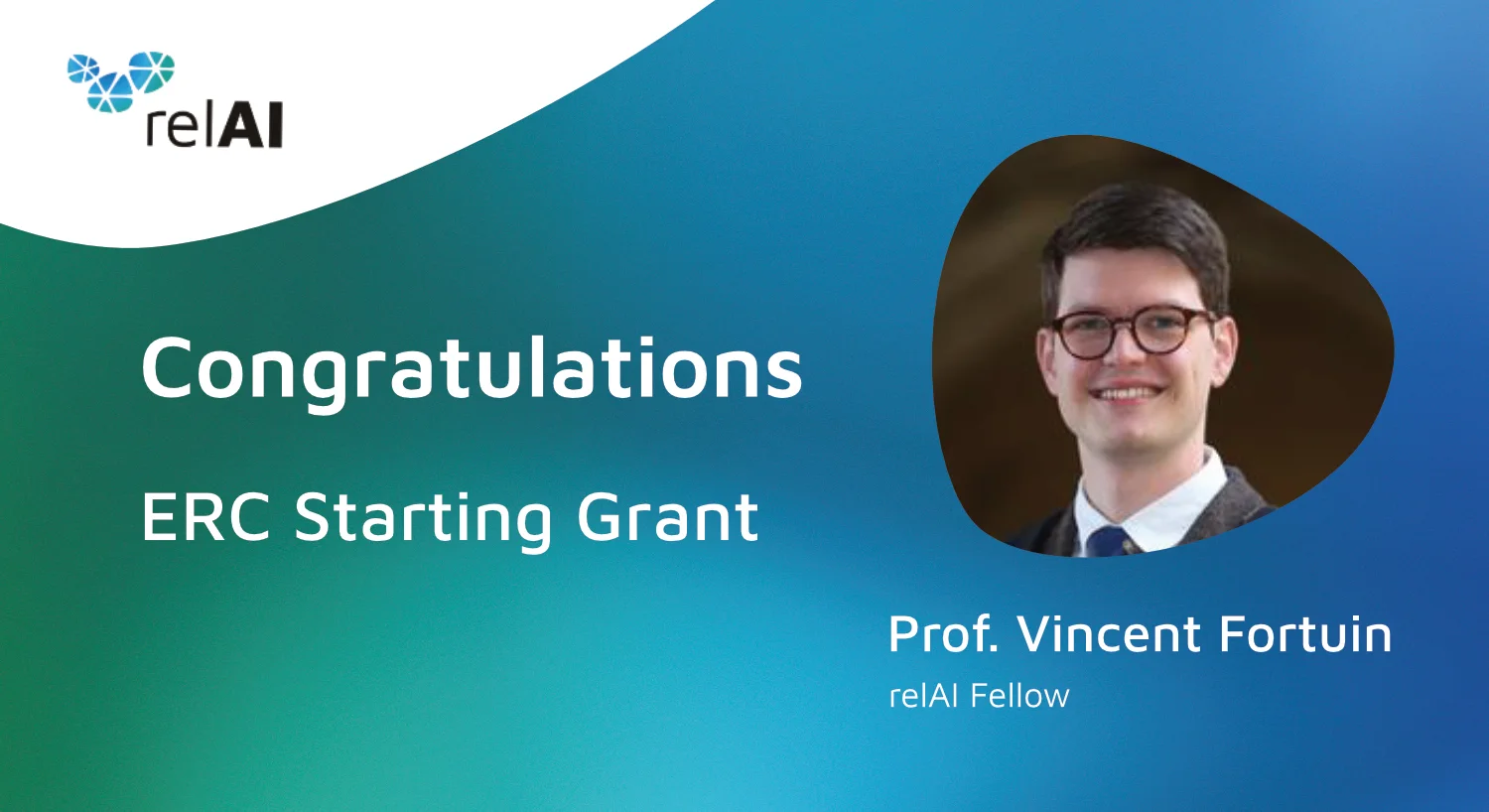
We are very excited to announce that relAI Fellow Vincent Fortuin has been awarded a European Research Council (ERC) Starting Grant for his project "AutoBayes", with the title "Unlocking Reliable Small-data AI through Bayesian Deep Learning".
Most current deep learning models require large amounts of training data and tend to be overconfident in their predictions, undermining their reliability. Over the next five years, Vincent and his team will develop Bayesian deep learning methods to create AI models that are confident using limited data while also improving the quantification of the uncertainty in their predictions.
The ERC Starting Grant is one of the most competitive sources of funding available to early-career researchers; it enables them to pursue ambitious projects, to form their own teams and to gain independence at a crucial point in their careers. This year, the funding—amounting to €705 million in total—has been awarded to 421 early-career researchers throughout Europe.
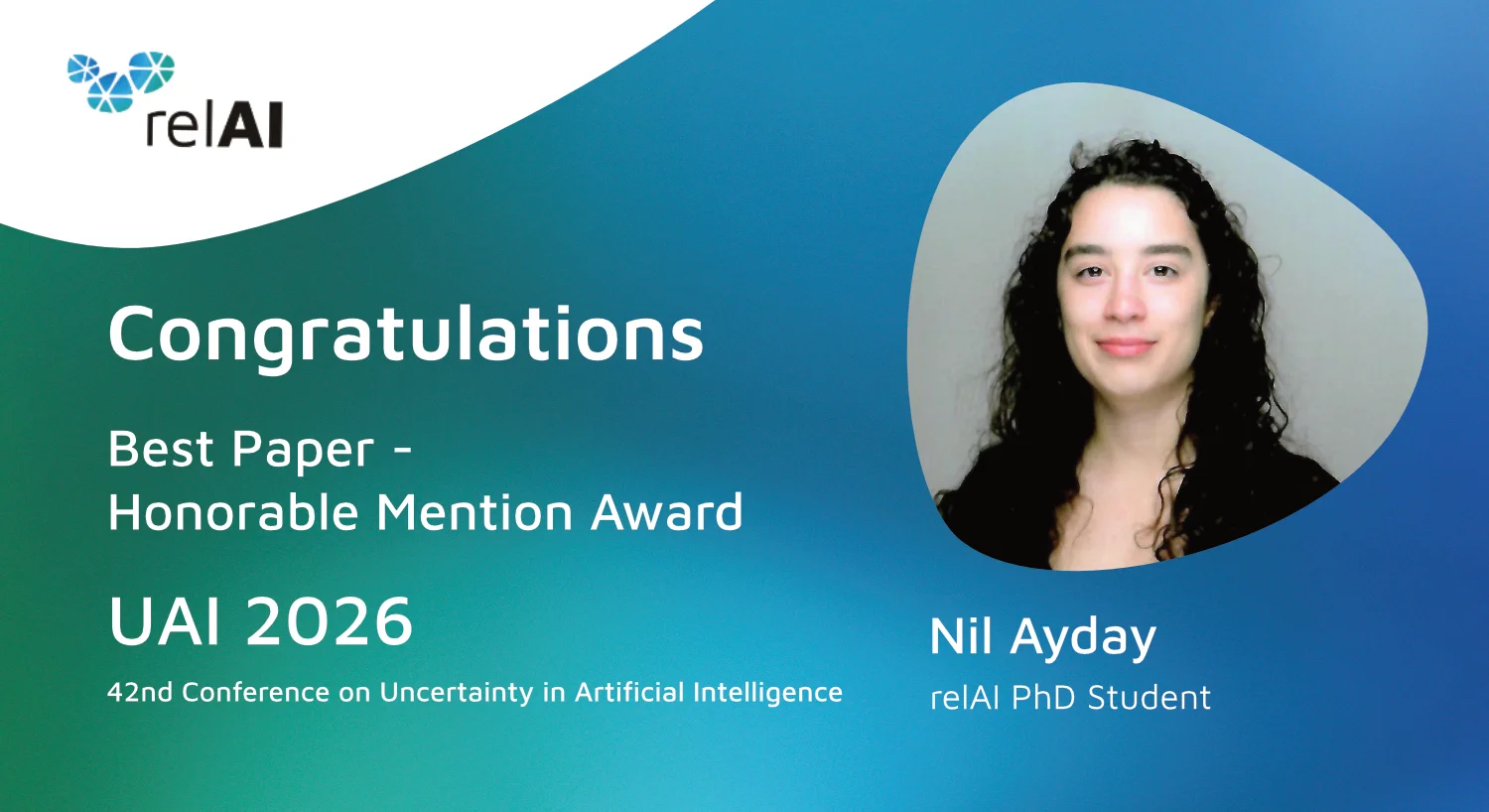
In this work, the authors derive the neural network Gaussian process (NNGP) limits of graph transformers, demonstrating the structural advantages of attention mechanisms compared to standard graph convolutions.
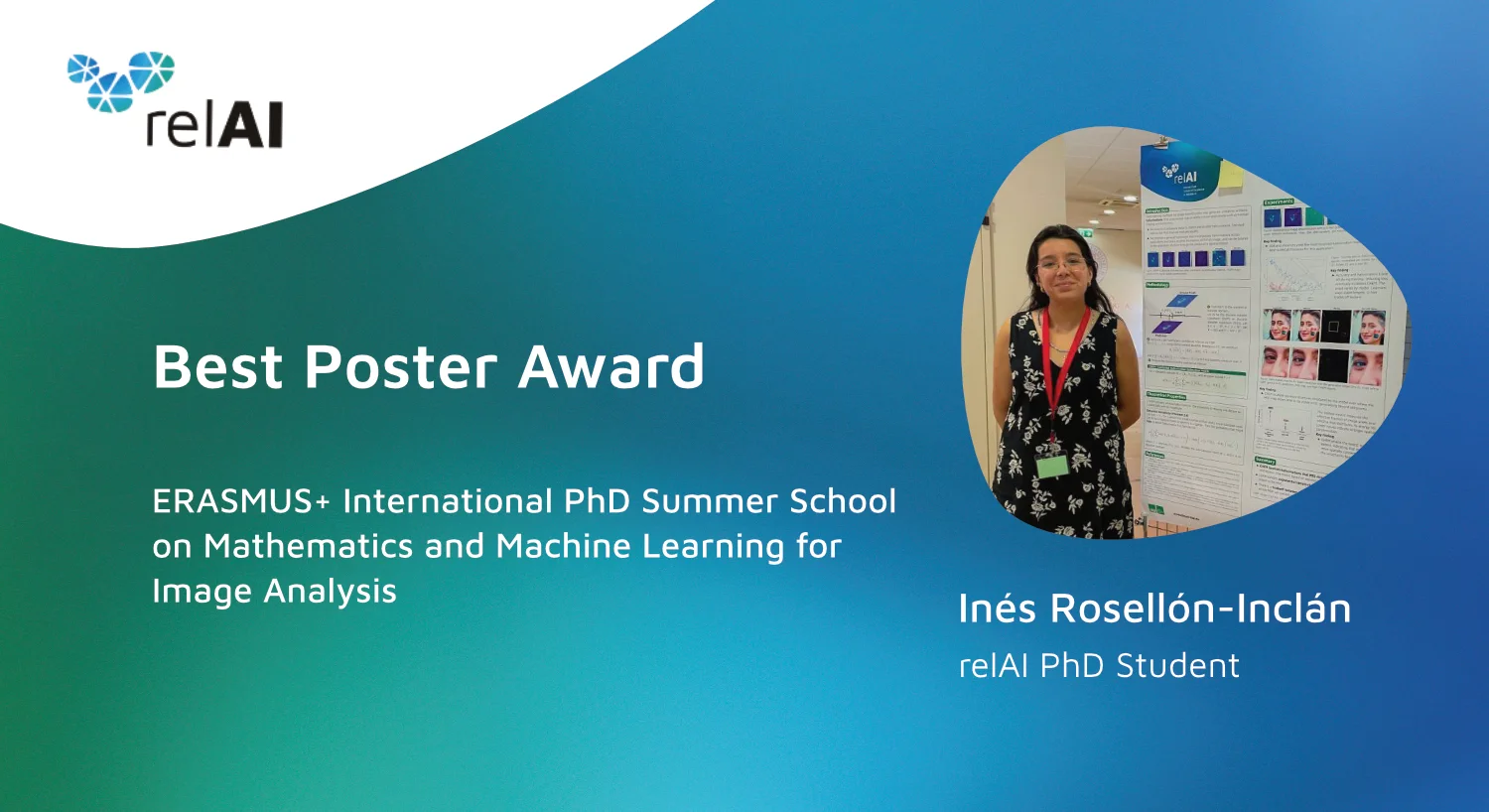
The summer school took place in Bologna from June 9 to June 17, 2026, and was a fantastic opportunity for young PhD students and researchers to explore the exciting connections between imaging sciences and machine/deep learning.
In her poster, Inés introduced CHEM (Conformal Hallucination Estimation Metric), a method for detecting and quantifying hallucinations in image reconstruction models. By combining wavelet and shearlet representations with conformalized quantile regression, CHEM identifies realistic-looking artifacts that aren’t present in the ground truth in a way that doesn’t depend on distribution.
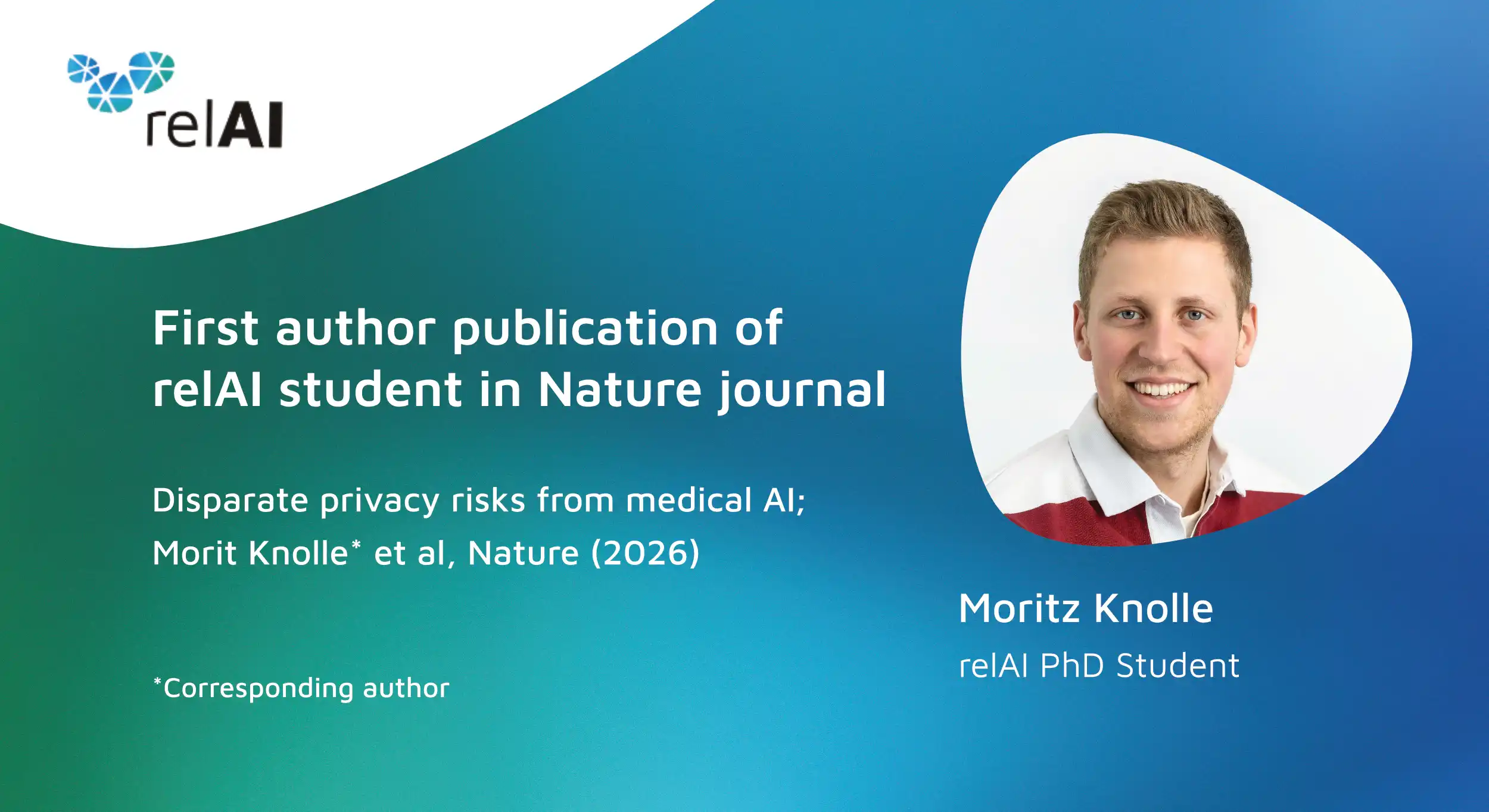
relAI is proud to announce an outstanding achievement – a first author publication of Moritz Knolle, one of relAI’s PhD students, in Nature journal.
Medical AI models are increasingly utilized in applications such as diagnosing and remotely treating patients. While these models have proven valuable to both practitioners and patients, concerns remain about the privacy of patients whose information is used to train these AI systems. This issue has been examined by relAI PhD student Moritz Knolle, in a study published this week in Nature. The analysis revealed privacy vulnerabilities in medical AI models, emphasizing the importance of reliable AI research in medicine and healthcare 🩺.
🔍 Check the summary below and the article to learn more about the study!.
Summary of the article
Individuals whose data are used to train medical AI models may be at risk of being identified in cyber-attacks, according to a Nature paper published this week. Underrepresented groups may face disproportionately higher risks of having their data compromised, the study indicates. The researchers find these individuals are not accounted for in current risk assessments and call for further mitigation and strict access control.
Medical AI models may improve global health outcomes, especially in areas in which specialized expertise is not available. Yet, the sensitive data used to train these models may be exposed to privacy attacks. Membership inference attacks (MIAs) are used by attackers to determine whether an individual’s data were used to train a model. From these attacks, a patient’s medical data and private information can be determined. Previous research on data risk has been determined by whole datasets, and does not take an individual’s risk into account.
Moritz Knolle and colleagues conduct a privacy audit to focus on individual privacy risk, finding that medical AI models may pose a privacy risk to individual data contributors. Using seven large datasets made up of real-world clinical data, including medical images, electrocardiograms and electronic health records, the authors determine the most vulnerable among data-contributing patients. They find that at an individual level, those targeted by the MIAs were successfully done so with almost no error. At a group level, those identified as underrepresented in datasets include people with rare diseases, people from a minority racial group or, socioeconomic status, or those having the less-common gender. With more distinctive data that are encoded by AI models, these groups and individuals are found to be more vulnerable and disproportionately exposed to privacy attacks. The authors find the instances of successful MIAs attacks rise with model capacity and size.
These findings show privacy attacks, such as MIA, are more effective at successfully targeting on an individual level than currently thought. The authors conclude that privacy risk assessment must now take individual risk into account, and vulnerable models be further protected."
The Berlin-Brandenburg Academy of Sciences and Humanities has a remarkable 325-year history of bringing together brilliant scholars and scientists from various backgrounds and disciplines, including 82 Nobel Prize winners. This Academy plays a vital role in our society by not only advancing research in the humanities but also addressing critical scientific and social issues through collaboration. We deeply value its mission to foster understanding and dialogue between the scientific community and the broader society, as this connection is essential for tackling the challenges we face together.
🎉 Congratulations!
/ mc
🎉 relAI is proud to announce that the International Association for Dental, Oral, and Craniofacial Research (IADR) has named relAI Fellow Falk Schwendicke as the recipient of the 2026 IADR Distinguished Scientist William H. Bowen Research in Dental Caries Award 🦷 .
IADR is a nonprofit organization dedicated to advancing dental, oral, and craniofacial research for global health and well-being. This esteemed IADR award recognizes exceptional and innovative contributions to our understanding of caries etiology and the prevention of dental caries. It is one of the 17 IADR Distinguished Scientist Awards and is considered one of the highest honors bestowed by the organization.
Falk Schwendicke’s Research Achievements
His early work focused on minimally invasive and evidence-based caries management, particularly regarding selective carious tissue removal and its economic evaluation. This research has laid the groundwork for contemporary treatment guidelines. His recent studies have increasingly emphasized the integration of emerging technologies to overcome challenges in caries detection and management. Notably, he has been a pioneer in employing advanced artificial intelligence (AI) applications for radiographic analysis, diagnostic support, and predictive modeling.
A significant achievement in his career was leading a randomized controlled trial that evaluated AI-assisted caries detection. This study set new standards for clinical research in the field and informed subsequent cost-effectiveness analyses. Schwendicke also participates in numerous editorial and review roles and has presented at the IADR General Session and various scientific meetings. He has authored over 500 peer-reviewed publications and 30 book chapters and is ranked among the top 1% of most-cited dental researchers worldwide, according to the Stanford global ranking.
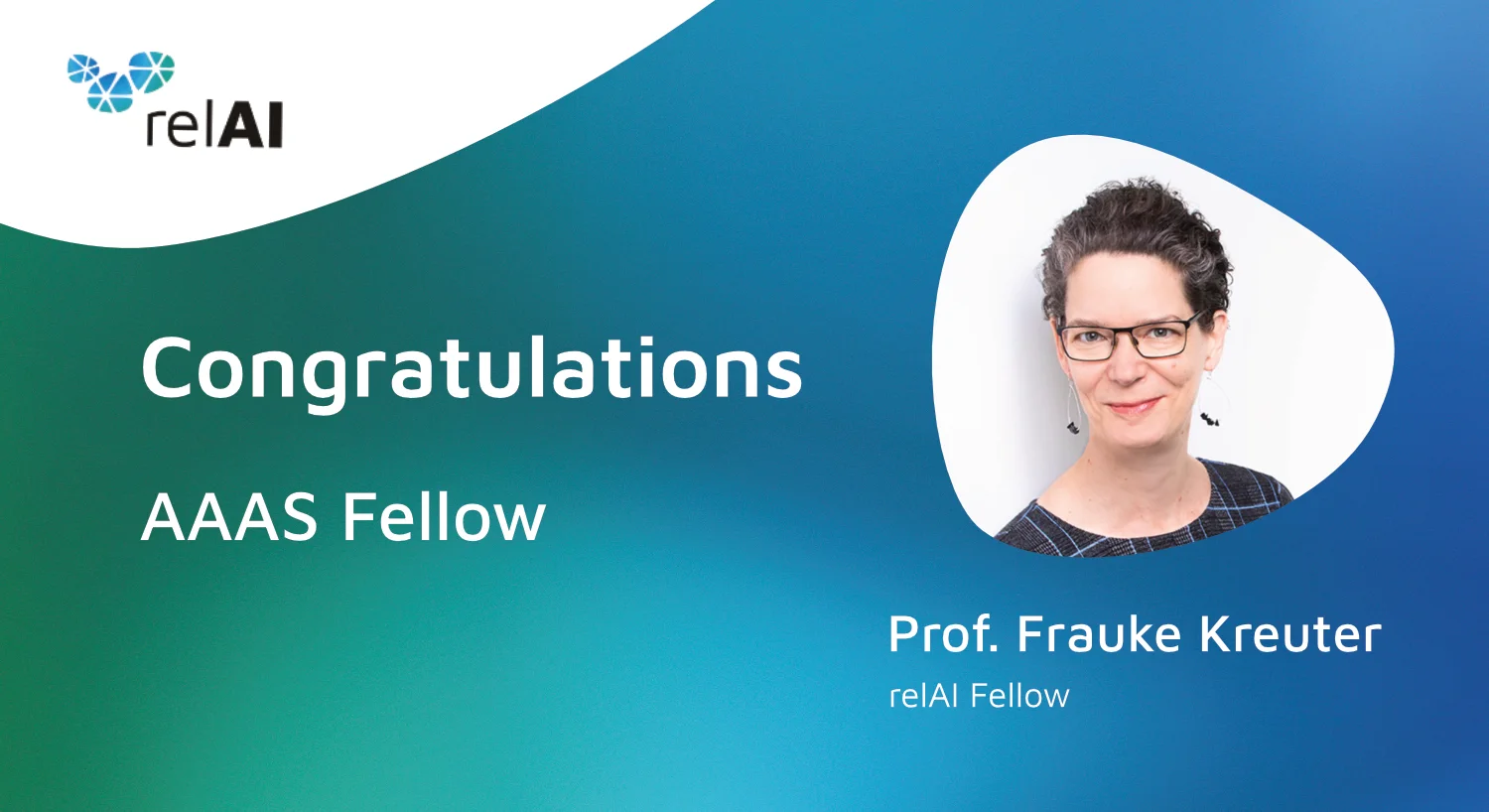
relAI is thrilled to announce that Frauke Kreuter, relAI Fellow and member of the relAI Steering Committee, has been elected a Fellow of the American Association for the Advancement of Science (AAAS). AAAS is the world's largest general scientific society and publisher of the journal Science. Founded in 1848, this non-profit international organization promotes scientific freedom, responsibility, education, and collaboration to improve humanity, serving over 120,000 members.
Being elected as a Fellow is a prestigious honor that recognizes individuals whose contributions to advancing science and its applications in service to society have distinguished them among their peers and colleagues.
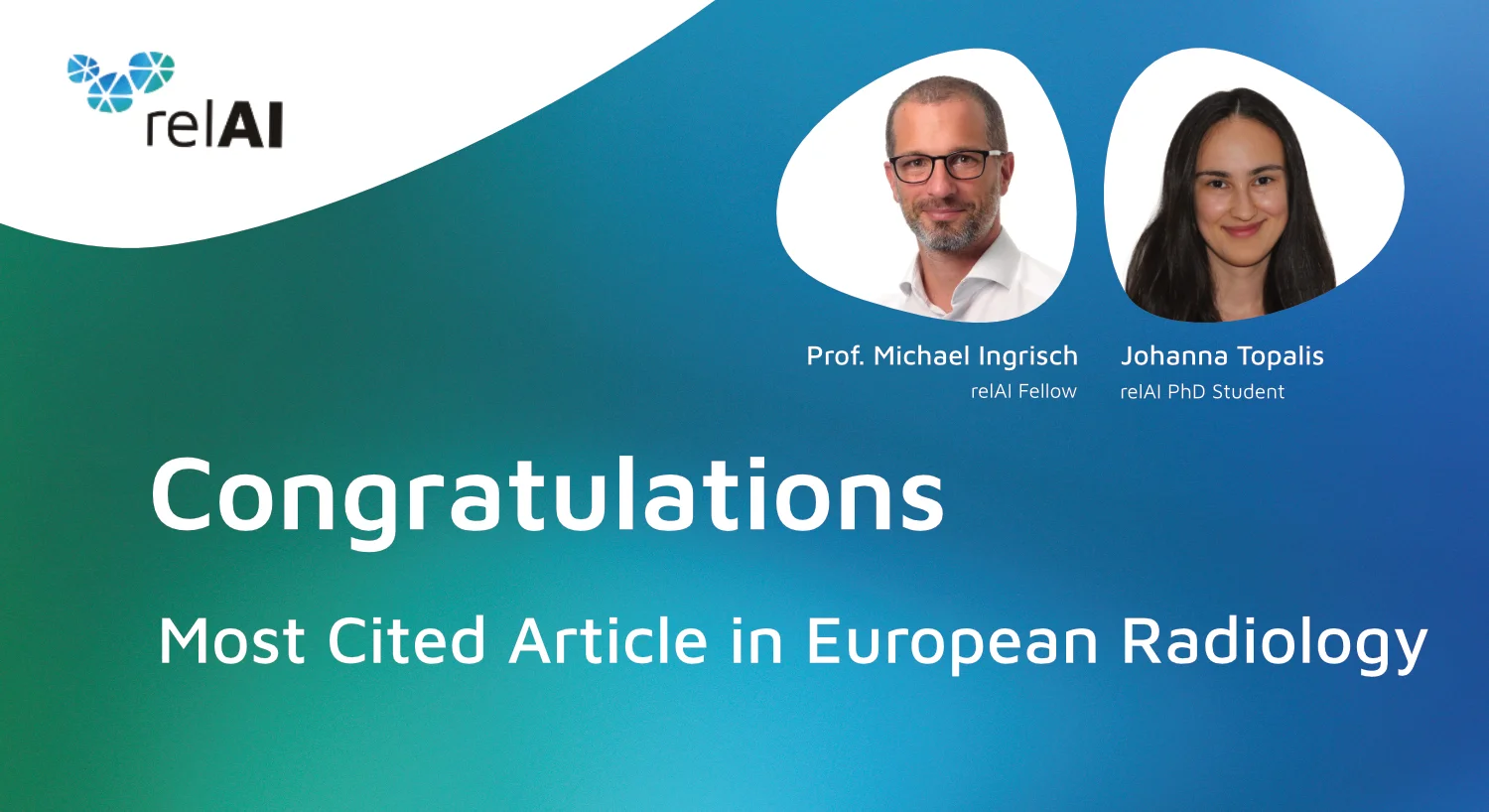
📖 The article presents the first exploratory case study evaluating the quality of simplified radiology reports generated by the large language model (LLM) ChatGPT. Radiologists rated the reports as generally high quality but also identified errors that could lead to harmful patient interpretations. The findings highlight both the potential and the limitations of early large language models in clinical communication: while simplified reports can enhance accessibility, medical expert supervision and domain-specific adaptation are vital to ensure patient safety.
💡 The study, first published as a preprint in December 2022, was among the earliest scientific assessments of ChatGPT's ability to simplify radiology reports for patients. Since then, a rapidly growing body of research has explored the role of large language models in medical text simplification.
The German Society for Online Research (DGOF) annually recognizes outstanding scientific contributions to the advancement of the methods of online research through the DGOF Best Paper Award.
Their award-winning paper emphasizes the importance of transparency and accessibility in key decisions throughout the machine learning pipeline for the general public. It introduces a participatory approach to help navigate the multiverse of design choices, advocating for the democratization of essential decisions rather than simply focusing on optimization.
📖 To the article:
Simson, J., et al. (2025). Preventing Harmful Data Practices by using Participatory Input to Navigate the Machine Learning Multiverse. Proceedings of the 2025 CHI Conference on Human Factors in Computing Systems, 806, 1-30. https://doi.org/10.1145/3706598.3713482