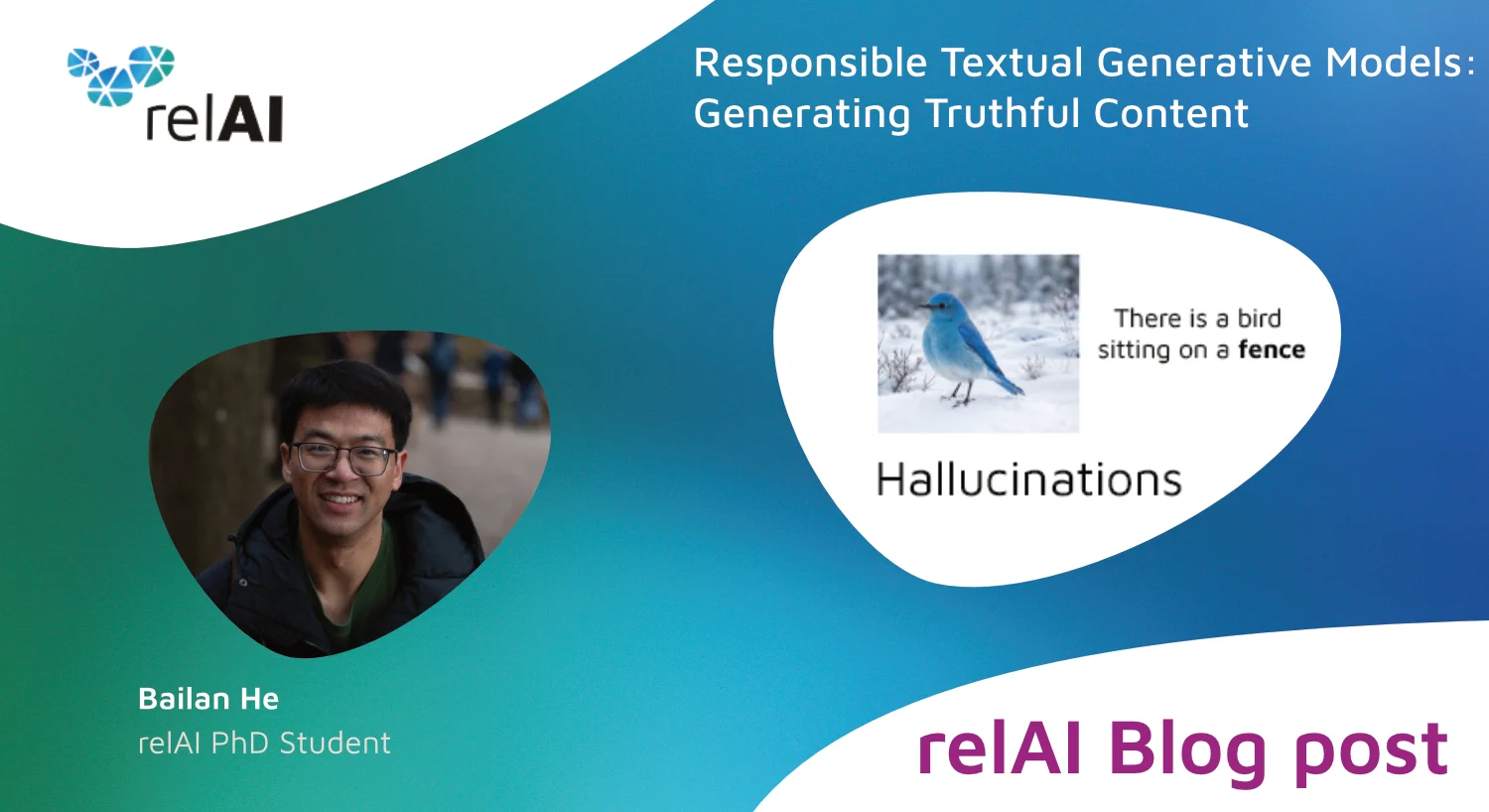
📋Textual generative models, such as the GPT family, have created new opportunities for human–AI interaction. They possess impressive abilities to summarize lengthy documents, compose poetry, and answer complex questions. However, alongside these remarkable capabilities lies a significant challenge: 🪄 hallucinations.
🔹What are hallucinations❓
Hallucinations are instances in which a model generates content that is factually incorrect, lacks supporting evidence, or is entirely fabricated.
🔹Why is preventing hallucination important❓
The implications of hallucination can be severe in various real-world domains. In healthcare, hallucinated outputs might suggest non-existent treatments, potentially placing patients at risk. In legal contexts, fabricated precedents could mislead practitioners and affect judicial outcomes. Similarly, in journalism, factual errors in AI-generated articles could lead to misinformation and erode public trust in media institutions. These examples underscore that hallucination is not just a technical flaw; it is a serious societal concern.
In his first post, relAI PhD student Bailan He explains various scenarios that may lead to hallucinations in generative models. He discusses the approaches developed to detect and mitigate these issues.
This post provides a basic summary of strategies designed to ensure that generative models fulfill their essential responsibility: ✨ producing truthful content ✨.
👉 Do not miss it! https://zuseschoolrelai.de/blog/responsible-textual-generative-models-part-i-generating-truthful-content/