
Frontier AI systems have recently solved IMO problems, discovered new mathematical constructions, and resolved open Erdős problems. Yet a more mundane question remains: 🤔how should a working mathematician actually use these tools day to day?
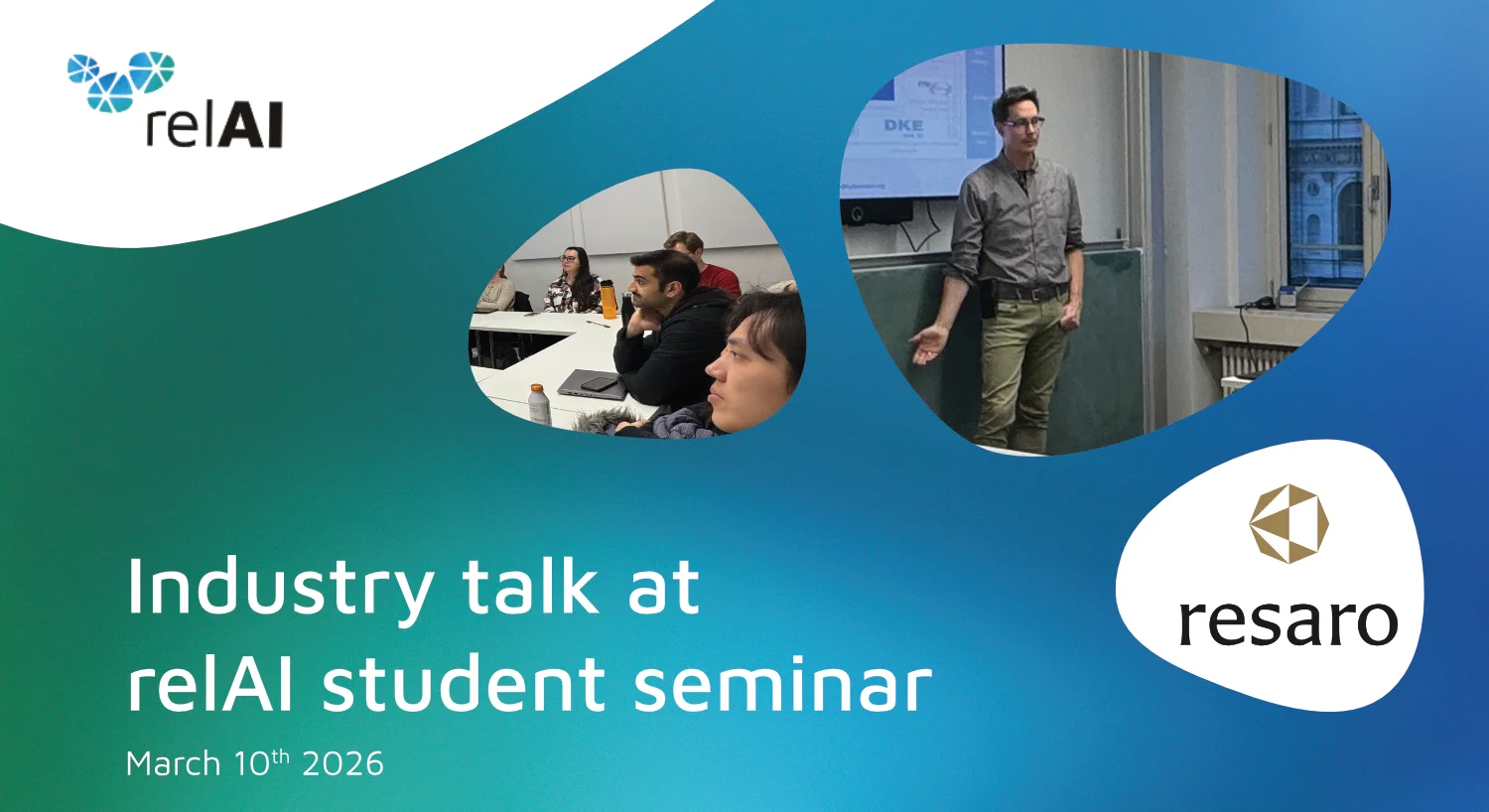
In this talk, titled “The Agentic Researcher: Turning AI Coding Agents into Research Assistants” Emil Partow, PhD Student of our relAI Director Prof. Gitta Kutyniok presented a recent paper from Prof. Pokutta (Zuse-Institut Berlin) that offers a concrete answer. The authors propose a five-level taxonomy of AI integration into research, ranging from classical work without AI to fully autonomous research loops. They have implemented this idea within an open-source framework.
Following a detailed presentation by Emil Partow, members of relAI and Prof. Kutyniok's research group gathered to discuss this forward-looking topic. The presentation explained the open-source tool that implements core research "commandments" (such as preventing the falsification of experimental data) via a practical, actionable loop. Participants then discussed how AI agents are already shaping research methodologies, what is required to implement these workflows successfully, and how to ensure human oversight remains at the center of the process. Emil also shared a practical case study demonstrating the tool in action, sparking a broader reflection on the evolving role of AI in modern research.